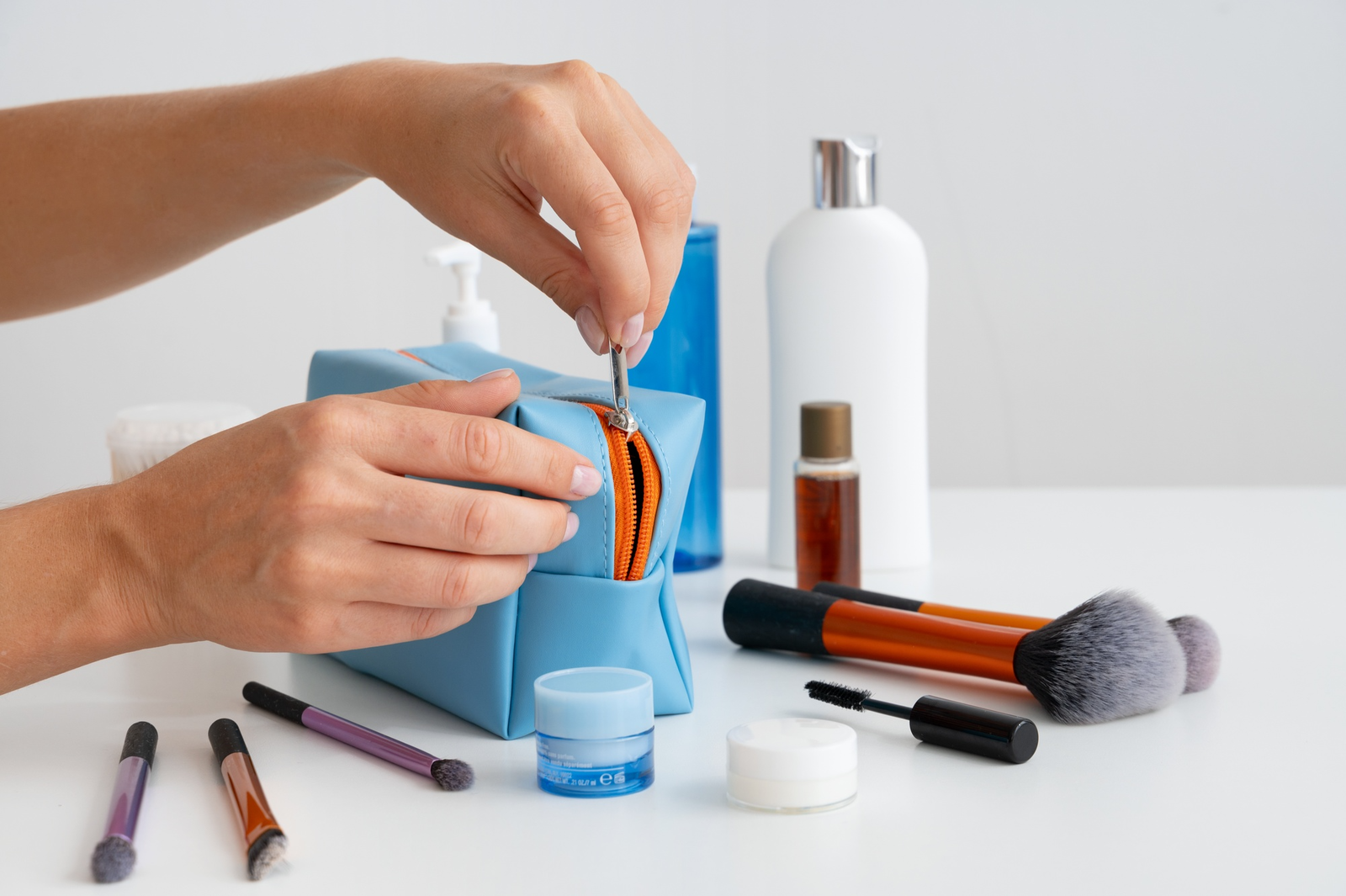
Have you ever wondered how beauty products are tested before they reach shelves? L’Oréal product testing can give selected users a chance to join consumer evaluation programs, try beauty or personal care products, and share honest feedback. It is not a guaranteed free-product offer, but it may be a useful opportunity for people who enjoy skincare, makeup, haircare, and detailed product reviews.
What Is L’Oréal Product Testing?
L’Oréal product testing is connected to consumer research. The purpose is to understand how real people experience beauty and personal care products before, during, or after launch. L’Oréal USA has an official consumer testing portal called the L’Oréal VIP Testing Program, where users can register or sign in to participate in its evaluation program.
This type of testing may include beauty products, sk)incare items, haircare formulas, makeup, personal care products, or related product experiences. The main goal is feedback. Brands want to know how a product feels, performs, smells, applies, absorbs, washes off, or fits into someone’s routine.
How Does the Testing Process Usually Work?
The process usually begins with registration. A user may need to join the official testing panel, create a profile, and answer questions about beauty habits, skin type, hair type, lifestyle, product usage, and personal care preferences.
A basic process may look like this:
- You register through the official L’Oréal testing platform.
- You complete your profile honestly.
- You may receive surveys or study invitations.
- Your answers help determine whether you match a test.
- If selected, you may receive instructions.
- You test the product as directed.
- You submit feedback within the required timeline.
Why Does L’Oréal Ask So Many Questions?
Beauty products are personal. A face cream may feel lightweight on one person but greasy on another. A shampoo may work beautifully for curly hair but feel too heavy for fine hair. A foundation shade may suit one undertone but not another.
That is why testing programs may ask detailed questions. They may want to know your skin type, hair texture, hair concerns, makeup habits, allergies, fragrance preferences, age range, routine, or product usage frequency.
For example, if L’Oréal is testing a product for oily skin, the panel may need people who actually have oily or combination skin. If a haircare study is focused on color-treated hair, users without colored hair may not qualify. This does not mean anything is wrong with your profile. It simply means the product needs a specific testing group.
What Kind of Beauty Products May Be Tested?
The exact products can change depending on the study, country, brand, and research need. Since L’Oréal works across many beauty categories, testing opportunities may be connected to different types of products.
Possible categories may include:
- Skincare products
- Haircare products
- Makeup items
- Cleansers and moisturizers
- Serums or treatment-style products
- Shampoos and conditioners
- Hair masks or styling products
- Personal care products
L’Oréal’s consumer products division includes well-known global brands such as L’Oréal Paris, Maybelline New York, Garnier, and NYX Professional Makeup, along with other brands in its portfolio. This does not mean every testing opportunity will include those brands, but it shows how broad the company’s beauty category reach is.
Is Product Testing the Same as Getting Free Beauty Products?
Not exactly. This is where many users get confused. Product testing may involve receiving a product to try, but the purpose is not simply to give away free beauty items. The purpose is evaluation.
A tester may be asked to use a product for a certain number of days, follow specific directions, avoid mixing it with certain other products, track results, or complete a survey after testing. Some studies may include at-home use, while others may involve in-person research or digital feedback.
Why Honest Feedback Matters
L’Oréal product testing depends on real opinions. If you only write positive comments because you think it will increase your chances, your feedback may not be useful. Brands need honest responses to understand what works and what needs improvement.
A good product review may explain:
- How the product felt during use
- Whether the texture was comfortable
- Whether the scent was too strong or pleasant
- Whether it suited your skin or hair type
- Whether the packaging was easy to use
- Whether results matched expectations
- Whether you noticed irritation or discomfort
- Whether you would consider using it again
For example, instead of writing, “Great moisturizer,” a stronger review would say, “The moisturizer felt lightweight and absorbed quickly, but very dry skin may need an extra layer at night.” That kind of feedback is practical and balanced.
How Beauty Lovers Can Prepare for Testing
If you want to take product testing seriously, keep your beauty profile accurate. Do not guess your skin type or exaggerate your habits. If you have dry skin, say dry. If you have sensitive skin, mention it. If you rarely use foundation, do not claim you use it daily just to qualify for makeup tests.
You can also make your feedback stronger by paying attention to details during your regular beauty routine. Notice product texture, scent, packaging, wear time, comfort, and results. This helps you become better at explaining product experiences clearly.
What Mistakes Should You Avoid?
Many people approach testing programs with the wrong mindset. They think the goal is to get as many free products as possible. But the real goal is to become a reliable participant who gives useful feedback.
Avoid these mistakes:
- Using fake profile details
- Applying for products that do not match your skin or hair type
- Ignoring study instructions
- Missing feedback deadlines
- Writing vague reviews
- Copying someone else’s opinion
- Expecting guaranteed selection
- Clicking unofficial “free L’Oréal product” links
- Sharing sensitive information on suspicious pages
Trust matters in product testing. If your answers are inconsistent or your reviews are not useful, you may not be a strong fit for future opportunities.
How to Avoid Fake L’Oréal Testing Offers
Because L’Oréal is a popular beauty name, fake product testing offers can appear online. Some pages may promise free makeup kits, skincare bundles, or haircare boxes to everyone. These offers may use copied logos, edited product images, or fake urgency.
Be careful with any offer that:
- Says everyone is guaranteed to get products
- Asks for card details for “verification”
- Uses suspicious or shortened links
- Requests passwords or banking information
- Claims you won without applying
- Charges strange delivery fees
- Has no clear official connection
- Pressures you to share the link first
Are There Other Ways to Try L’Oréal Products?
Yes, product testing is not the only way beauty lovers can explore L’Oréal products. L’Oréal Paris also offers virtual beauty tools in some regions, including virtual makeup try-on and hair color try-on experiences. These tools let users test shades digitally before buying, which can be helpful if you want to explore lipstick, foundation, eye makeup, or hair color options without applying the physical product first.
Is L’Oréal Product Testing Worth Trying?
L’Oréal product testing may be worth trying if you enjoy beauty products and can give thoughtful feedback. It can be especially interesting for people who like skincare routines, makeup testing, haircare experiments, or personal care reviews.
However, it should not be seen as a guaranteed free-product method. You may register and wait before receiving any suitable opportunity. You may answer surveys and not qualify. You may match one study but not another. That is normal.
The best mindset is simple: join because you enjoy beauty research and honest feedback, not because you expect constant free products.
Final Thoughts
L’Oréal product testing can be an interesting opportunity for beauty lovers who enjoy trying products and sharing thoughtful opinions. Through official consumer evaluation programs, selected users may participate in studies related to skincare, haircare, makeup, or personal care. Still, selection is never guaranteed, and each test may have specific rules. Keep your profile honest, follow safety instructions, avoid fake offers, and focus on detailed feedback. Product testing works best when real experience comes first.